Altea
Altea: Artistic Gem of the Costa Blanca
Altea is a charming coastal town of approximately 6,500 inhabitants, renowned for its artistic community, whitewashed medieval old town, and the iconic blue-domed church that dominates its picturesque skyline. This bohemian village has attracted artists, writers, and creative professionals for decades, maintaining a unique cultural character while offering authentic Mediterranean charm.
Map of Altea
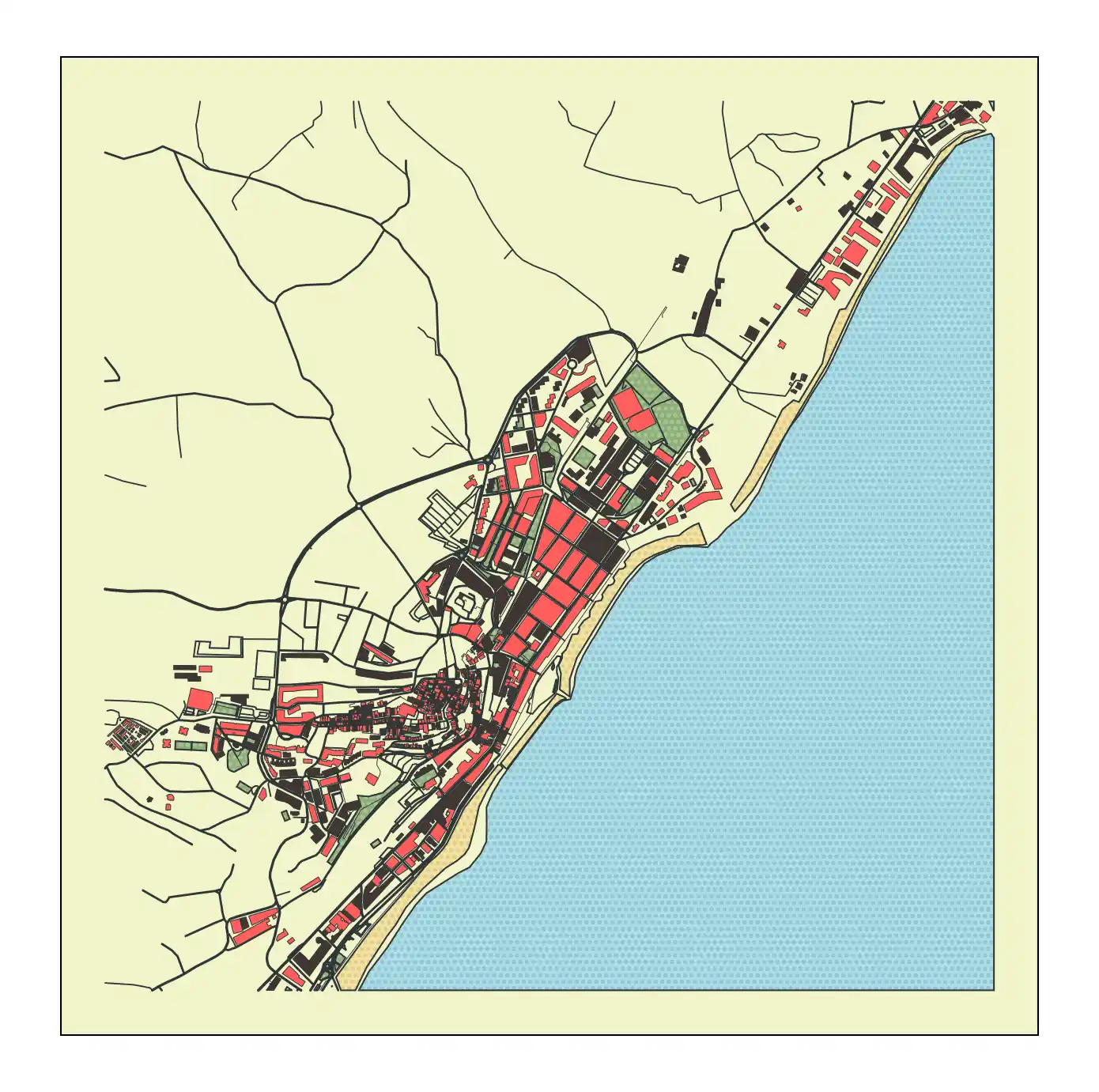
Topographic map of Altea with the old town and coastal town
The Old Town: A White Jewel
The heart of Altea is its old town (casco antiguo), a labyrinth of narrow, winding streets lined with whitewashed houses. This traditional Mediterranean architecture serves both aesthetic and practical purposes - the white walls reflect heat and keep homes cool in the summer.
The Church of Virgen del Consuelo
The town’s most iconic structure is the parish church with its distinctive blue-tiled dome. Built in the 18th century, the church dominates the skyline and is visible from the sea for kilometers. The bright blue dome and white walls create a striking contrast against the blue Mediterranean sky.
From the church square, you can enjoy panoramic views of both the old town and the Mediterranean coastline.
Artistic and Cultural Hub
Altea has established itself as a center for arts and culture. The town hosts numerous art galleries, craft shops, and artist studios open to the public.
Cultural Activities
- Art galleries: Rotating exhibitions of contemporary and traditional art
- Artist studios: Many open to visitors
- Craft shops: Handmade goods from local artisans
- Cultural events: Regular exhibitions, concerts, and performances
- Art fairs: Seasonal events showcasing local and international artists
The bohemian spirit makes Altea feel less touristy than many Costa Blanca towns, despite being well-established.
Medieval Charm and Atmosphere
Walking through Altea’s old town is like stepping back in time. Every corner reveals new discoveries - hidden plazas, traditional doorways, flower-covered balconies, and views of the Mediterranean.
Historical Elements
- Medieval streets: Narrow, steep, and winding
- Ancient walls: Remnants of medieval fortifications
- Traditional architecture: Preserved over centuries
- Local residents: People actually live here, not just tourists
Beaches and Coastal Living
Despite its focus on history and culture, Altea offers excellent beaches:
- Playa Centro: Main beach with amenities
- Platjetes: Small protected beach, family-friendly
- Playa Bol Nou: Quieter beach toward the north
The beaches offer clear Mediterranean waters perfect for swimming and water activities.
Gastronomy
Altea’s food scene perfectly blends tradition with creativity:
- Fresh Mediterranean fish: Daily catches from local boats
- Paella and rice dishes: Traditional preparation with local ingredients
- Tapas and small plates: Perfect for casual dining
- Local wines: Excellent regional selections
Many restaurants occupy the old town with views of either the sea or picturesque streets.
Practical Information
Getting There
- By car: N-332 coastal road provides access
- Public transport: Bus connections to other Costa Blanca towns
- Distance from Alicante Airport: approximately 80 km
Neighborhoods to Explore
- Old Town: The artistic and historical heart
- Seafront: Modern amenities and beach access
- Surrounding hills: Quieter residential areas
Best Time to Visit
- Spring (March-May): Mild weather, flowers blooming, cultural activities
- Autumn (September-October): Warm weather, fewer crowds, clear skies
- Winter: Peaceful and quiet, perfect for exploring
- Summer: Peak season, crowded but vibrant with events
Walking Routes
The old town rewards exploration:
- From the main square to the church
- Along the sea-facing walls
- Through the artistic galleries
- Down to the waterfront
Each area offers different perspectives and photographic opportunities.
Local Markets and Shopping
- Art galleries and shops: Throughout the old town
- Local markets: Regular craft and food markets
- Antique shops: Finding treasures in old buildings
- Book shops: Reflecting the literary community
The Artist Community
Altea has long been a haven for creative professionals. Unlike some “artsy” towns that have lost authenticity, Altea maintains a genuine creative spirit with resident artists, regular exhibitions, and active cultural programming.
Day Trips
Altea’s location makes it ideal for exploring nearby:
- Calpe and the Peñón de Ifach (20 km north)
- Benissa: Mountain town with cultural heritage
- Other Costa Blanca towns within easy reach
Culinary Events
The town hosts various food and cultural events throughout the year, celebrating local products and creative cuisine.
Photography
Altea is a photographer’s dream:
- Blue-domed church against Mediterranean sky
- White-washed streets and traditional architecture
- Sunset views from the old town
- Artistic street scenes and details
Conclusion
Altea represents a different face of the Costa Blanca. While many coastal towns have succumbed to mass tourism, Altea has maintained its character through a commitment to preserving its heritage and nurturing its artistic community.
The white-washed old town, blue-domed church, and vibrant cultural scene create an atmosphere that is both historically significant and contemporary. Whether you come to explore art galleries, hike medieval streets, enjoy Mediterranean cuisine, or simply immerse yourself in authentic coastal charm, Altea offers an experience distinctly different from typical beach resorts.
The town’s blue dome beckons visitors not just to its shores, but to a lifestyle that values creativity, tradition, and authentic human connection.