Calpe
Calpe: Home of the Iconic Peñón de Ifach
Calpe is a vibrant coastal town of approximately 30,000 inhabitants, world-famous for the Peñón de Ifach, a dramatic 332-meter rock formation that rises from the Mediterranean Sea. This iconic natural monument is not only the most recognizable landmark of Costa Blanca but also one of Spain’s most visited natural attractions.
Map of Calpe
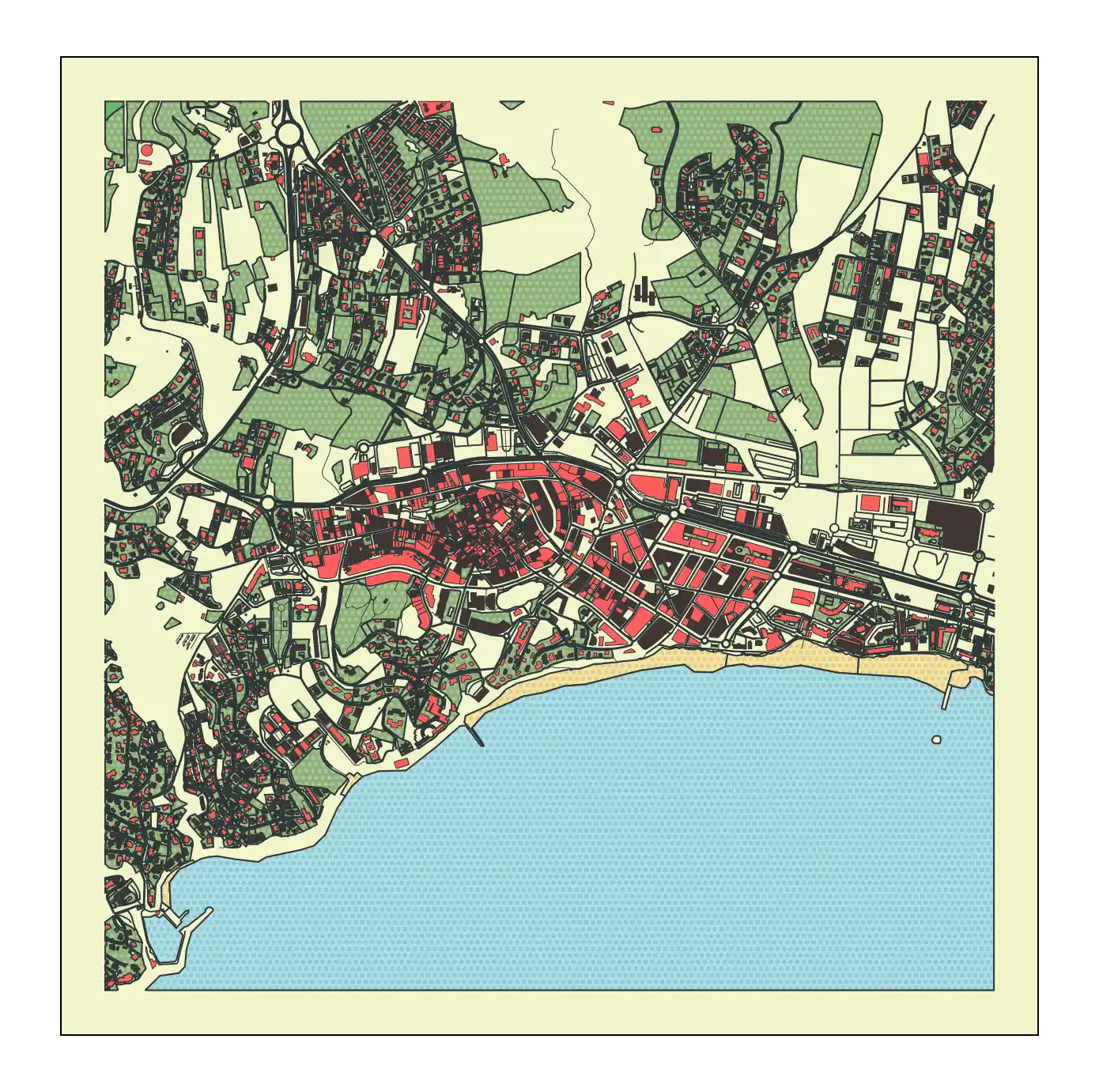
Topographic map of Calpe with Peñón de Ifach and the port
The Peñón de Ifach: A Geological Wonder
The Peñón de Ifach is the defining feature of Calpe. This massive limestone formation has been a point of reference for navigators, traders, and travelers for millennia. Its distinctive silhouette against the blue Mediterranean sky is instantly recognizable.
The rock is accessible via a well-maintained hiking trail that takes about 45 minutes to reach the summit. From the top, at 332 meters, you’ll enjoy panoramic views that stretch across the entire Costa Blanca coastline and, on clear days, all the way to the Balearic Islands.
Flora and Fauna
The Peñón is a protected natural area rich in Mediterranean biodiversity. You’ll encounter native plants like Aleppo pines and juniper, while birds of prey such as peregrine falcons and booted eagles soar above the cliffs.
Beaches of Calpe
Beyond the Peñón, Calpe boasts excellent beaches that attract swimmers and water sports enthusiasts:
- Playa Centro (Central Beach): The main sandy beach with full amenities
- Playa del Bol Nou: Another excellent family-friendly beach
- Playa La Fossa: A quieter alternative with great views
The beaches offer clear Mediterranean waters perfect for swimming, snorkeling, and various water sports.
History and Culture
Calpe’s history dates back centuries. Founded as a defense against Barbary pirates, the town still retains elements of its medieval past. The strategic location and natural protection offered by the Peñón made it an ideal settlement site.
Today, Calpe blends its historical heritage with modern tourism infrastructure, offering visitors both cultural experiences and contemporary amenities.
Activities and Attractions
Hiking and Nature
- Peñón de Ifach trails with varying difficulty levels
- Coastal walking paths with Mediterranean views
- Nature photography opportunities
Water Activities
- Swimming and sunbathing on excellent beaches
- Snorkeling and diving in clear waters
- Water sports including windsurfing and paddle boarding
- Boat excursions around the Peñón
Cultural Experiences
- Museums showcasing local history
- Art galleries and exhibitions
- Local restaurants serving fresh Mediterranean cuisine
- Markets with traditional crafts and products
Gastronomy
Calpe’s culinary scene is excellent, featuring:
- Fresh fish and seafood caught daily
- Traditional paella and rice dishes
- Modern fusion cuisine
- Excellent local wines
Many restaurants with sea views offer memorable dining experiences.
Practical Information
Getting There
- By car: Well-connected via the N-332 highway
- Public transport: Bus services connect Calpe to other Costa Blanca towns
- Distance from Alicante Airport: approximately 70 km (45 minutes)
Best Time to Visit
- Spring (March-May): Perfect weather, fewer crowds
- Autumn (September-October): Warm weather, clear water
- Winter: Mild and peaceful, ideal for hiking
- Summer: Crowded but with many events and activities
Accommodation
Calpe offers diverse accommodation options including beachfront hotels, family apartments, and rural houses in the surrounding hills.
Nearby Towns
Calpe is well-positioned for exploring Marina Alta:
- Jávea to the north: Another coastal gem
- Benissa nearby: Mountain town with cultural heritage
- Teulada-Moraira: Luxury beach destination
Conclusion
Calpe is more than just the Peñón de Ifach, though this iconic rock is certainly the main draw. The town combines natural beauty, outdoor activities, cultural richness, and excellent gastronomy. Whether you come to hike the famous peak, relax on Mediterranean beaches, or explore coastal charm, Calpe offers memorable experiences in one of Costa Blanca’s most beautiful settings.
The Peñón’s distinctive silhouette will haunt you long after you leave, calling you back to this remarkable corner of the Spanish Mediterranean.